From Dumpster to Movement: How One Action Sparked a Broader Change
In 2012 Raphael Fellmer convinced a Berlin organic supermarket chain to redistribute surplus food instead of discarding it. What began as one idea grew into a platform and then a movement.
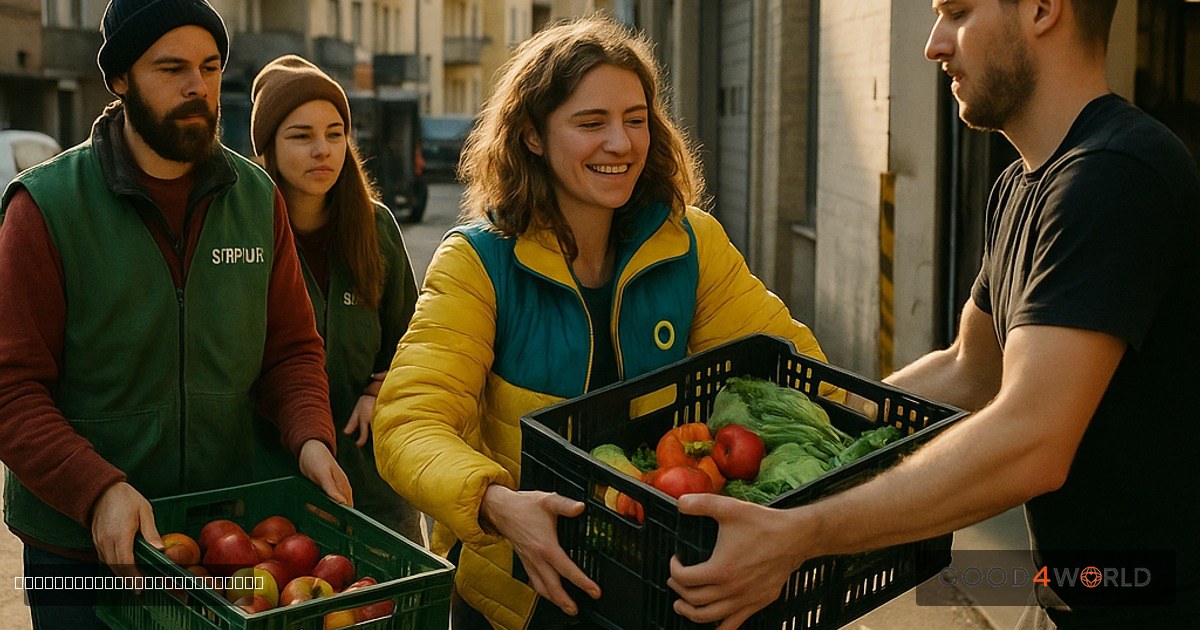
In Berlin, Raphael Fellmer began in 2009 rescuing food from supermarket dumpsters to raise awareness of societal food waste. In 2012 he convinced the management of the “Bio Company” to pass along surplus yet edible food instead of discarding it. This marked the start of the Lebensmittelretten movement. (Source: SIRPLUS (foodsharing‑Geschichte))
A year later, in 2013, programmer Raphael Wintrich developed a software platform voluntarily, tailored to the growing community’s needs. That platform, Lebensmittelretten.de, significantly broadened the movement’s reach. (Source: SIRPLUS (foodsharing‑Geschichte))
In 2014, Lebensmittelretten.de merged with the non‑profit organization foodsharing.de—uniting two initiatives committed to valuing food. (Source: SIRPLUS (foodsharing‑Geschichte))
This development elevated the movement to new heights: foodsharing enabled thousands of volunteers to collect surplus food from businesses and redistribute it. By the time of the source, more than 16 million pickups had been organized, equating to around 300 million kilograms of rescued food. (Source: SIRPLUS (foodsharing‑Geschichte))
From a single shop to a growing movement across Germany, Austria, and Switzerland, the platform empowered the initiative and connected engaged individuals with partner businesses in a structured way. (Source: SIRPLUS (foodsharing‑Geschichte))
What Works
- Raphael Fellmer started by dumpster‑diving, turned it into an official collaboration with Bio Company, built a platform with Raphael Wintrich, merged it with foodsharing.de, thereby enabling a structured movement.
Why This Matters
- According to the source, more than 16 million pickups were organized, equating to around 300 million kilograms of rescued food. The movement spread rapidly across Germany, Austria, and Switzerland. (Source: SIRPLUS (foodsharing‑Geschichte))
Key Lessons
- This story demonstrates how a personal act—rescuing food from dumpsters—through strategic collaboration, technical platform development, and formal merger can evolve into structured impactful change.
Limitations & Challenges
- No relevant limitations apparent from the source.
Original Sources
Why this story is on GOOD4WORLD
This story was selected according to GOOD4WORLD standards for constructive journalism: verified impact, systemic solution focus, and high credibility.