When 72 Hours Leave a Legacy: Youth Groups Continue Their Pledge
During the “72‑Hour Action,” altar servers and scouts volunteered intensively for three days – and some projects have continued far beyond, turning into lasting partnerships for playgrounds or transitional homes.
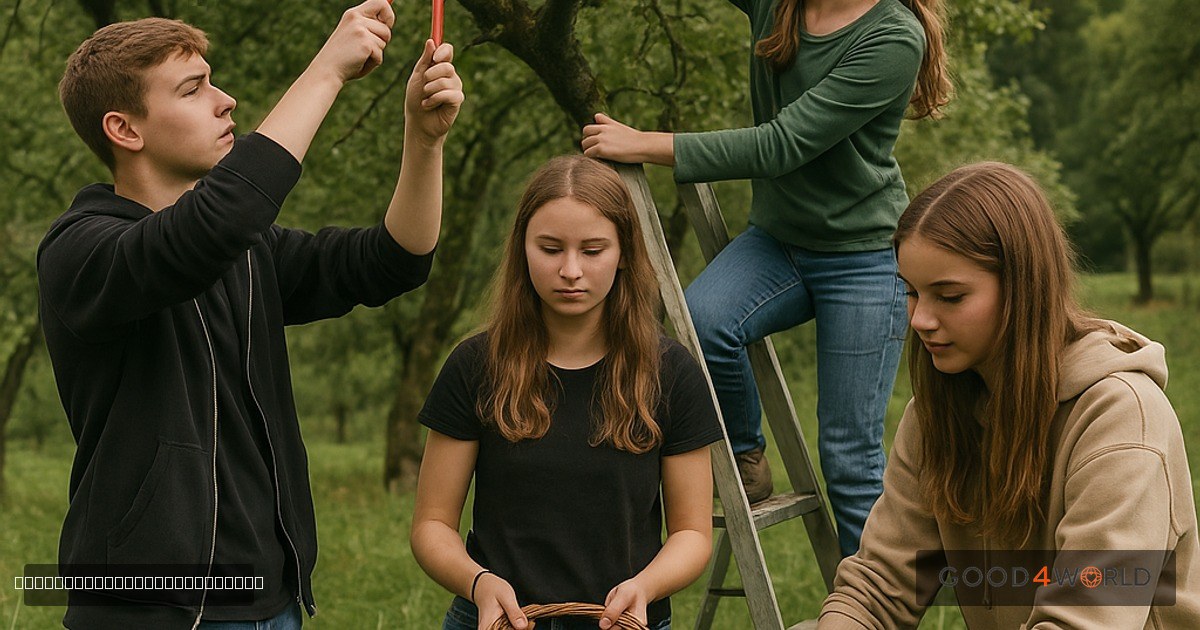
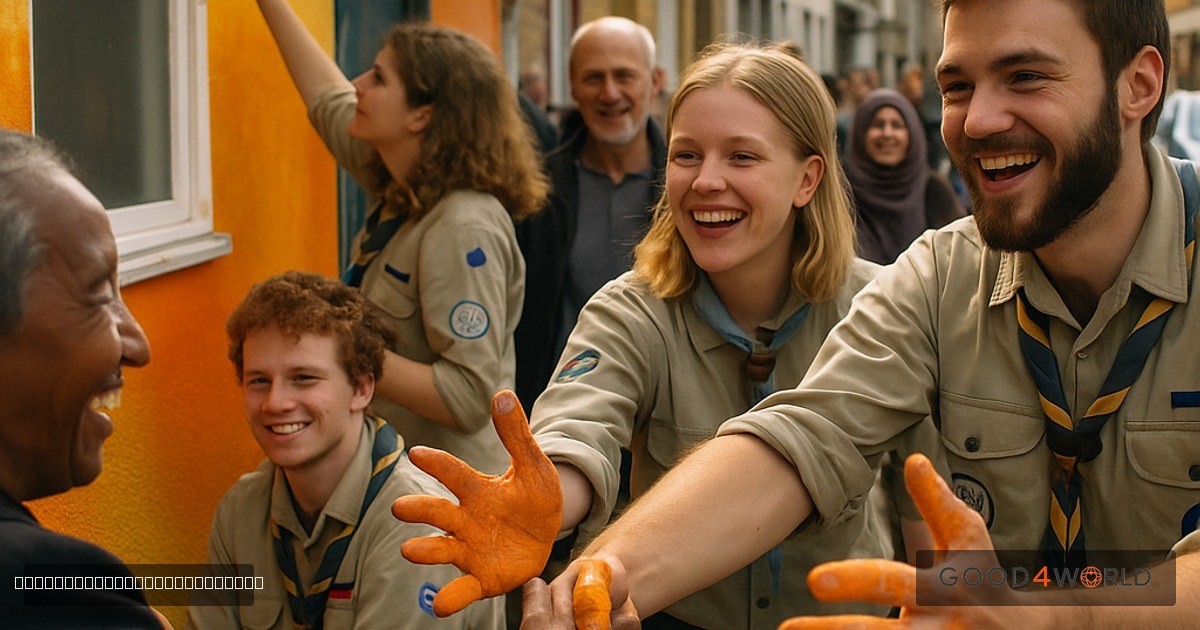
During the nationwide “72‑Hour Action,” approximately 175,000 young people carried out around 4,000 projects in June 2013—from painting homeless shelters to building climbing frames on playgrounds (Source: Domradio). Nine months later, a study revealed that around 400 of these projects were still ongoing—nearly nine percent of the original initiatives (Source: Domradio). A particularly striking example emerged in Cologne‑Godorf: after scouts carried out beautification work at a temporary refugee shelter, they formed an ongoing partnership. The collaboration evolved into regular visits at Christmas, barbecues, fundraising efforts, and even the group being invited to participate in municipal discussions about the shelter’s future (Source: Domradio). Similarly impactful was a group of altar servers who, having installed a climbing frame on a playground, decided to adopt it through a sustained sponsorship—creating a bond that continued long after the project ended (Source: Domradio). The study underscores that the action generated more than just immediate results: it fostered new relationships between altar server groups, local councils, and senior citizen groups who had little interaction before. At the same time, physical installations—like climbing frames or herb spirals—provide lasting benefits for users. And the sustained outcomes manifest on three levels: material, social, and cooperative (Source: Domradio). Moreover, the study shows increased willingness for further engagement: over half of the participants said they would like to take part again this or next year, and a remarkable 97 percent said they would participate again (Source: Domradio). Michael Kreuzfelder, spokesperson for the BDKJ, finds the results doubly encouraging: first, they prove that “72 hours last much longer” than three days; second, they show that the youth's engagement is further inspired by the action—some participants reported continued efforts nine months later (Source: Domradio).
What Works
- The youth carried out three-day beautification actions—such as painting homeless shelters or building climbing frames. Some groups transformed these into ongoing sponsorships—like for a playground or transitional home—incorporating visits, gatherings, and fundraising into the effort.
Why This Matters
- Nine months after the action, around 400 projects were still active—almost nine percent. Three specific initiatives continued as partnerships. Over half of participants wished to repeat the experience, and 97 percent said they would participate again.
Key Lessons
- A short-term action can unexpectedly evolve into a long-term partnership when participants recognize and seize opportunities for continued engagement.
Limitations & Challenges
- No relevant limitations apparent from the source.
Original Sources
Why this story is on GOOD4WORLD
This story was selected according to GOOD4WORLD standards for constructive journalism: verified impact, systemic solution focus, and high credibility.